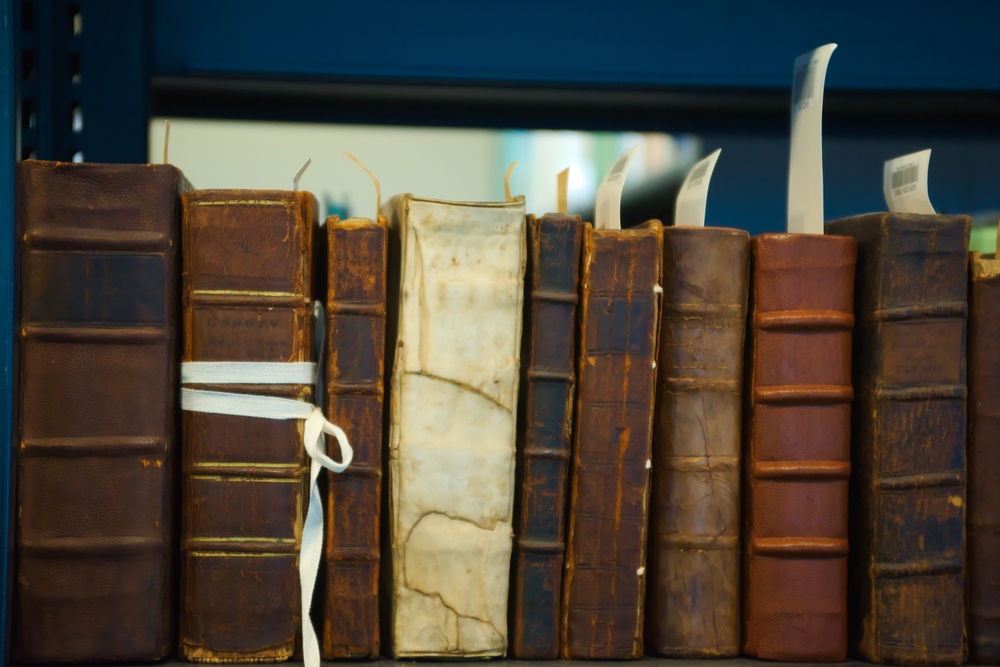
You stumble across a dusty box of old books in your grandmother’s attic. Some of them look ancient. A few have cracked spines and yellowed pages. And somewhere in the back of your mind, a question starts forming: are my old books valuable? It is a question that thousands of people ask every year, and the answer is almost never straightforward. The world of rare and collectible books is layered, nuanced, and genuinely fascinating once you start digging in. This beginner’s guide will walk you through the key factors that determine a book’s worth, so you can start assessing your own shelves with confidence.
1. Age Alone Does Not Make a Book Valuable
This is the first misconception that trips up nearly every new collector. Many people assume that if a book is old, it must be worth something. Unfortunately, age is only one small piece of a much larger puzzle. A book printed in the 1800s could be worth five dollars, while a book published in the 1980s could fetch thousands.
What matters far more than age is rarity. If a book was printed in massive quantities, even a very old copy may hold little monetary value simply because so many of them still exist. On the other hand, a limited print run from any era can produce genuinely scarce items that serious collectors will compete over.
Think about encyclopedias, for example. Families across America held onto sets for generations, which means millions of volumes from the late 1800s and early 1900s still exist today. Finding one at an estate sale is common. Selling it for a meaningful sum is not.
When you are starting to explore the collectible books value guide landscape, train yourself to ask not just “how old is this?” but “how many of these still exist in the world?” That shift in thinking will serve you well.
2. Edition and Printing Matter Enormously
One of the most important factors in determining whether your old books are valuable is identifying the edition and specific printing of a copy. A first edition of a significant work can be worth dramatically more than a later printing of the same title, even if the later copy is in better physical condition.
First editions are particularly prized because they represent the original form of a work as it first appeared to the public. For fiction, a true first edition first printing signed by the author is often the holy grail for collectors.
To identify a first edition, start with the copyright page. Many publishers use what is called a number line, a row of numbers printed at the bottom of the copyright page. If the number “1” appears in that line, the book is generally considered a first printing. Some publishers state “First Edition” or “First Published” directly on the copyright page, though methods vary widely by publisher and era.
It is also worth noting that a “first edition” can mean different things depending on context. A book club edition, for instance, looks almost identical to a trade first edition but is typically worth far less. Learn to recognize the subtle differences, including the absence of a price on the dust jacket, the presence of a blind stamp on the back board, or specific printing codes.
3. Condition Is King in the Collectibles Market
Serious collectors use a grading scale to describe a book’s physical state, and the difference between grades can translate into a dramatic difference in price. A fine copy of a sought-after first edition might sell for ten times what a good copy of the same book would fetch.
The standard condition grades used in the rare book trade include terms like Fine, Very Good, Good, Fair, and Poor. A Fine copy shows virtually no wear at all. A Very Good copy may have minor signs of use but remains clean and attractive. Anything below Good typically has significant issues such as torn pages, heavy foxing (those reddish-brown spots caused by oxidation), water stains, or writing throughout the text.
The dust jacket, if one exists, is critically important. For books published after roughly 1920, a dust jacket in excellent condition can account for the majority of a book’s total value. A first edition without its jacket is worth a fraction of what it would be with one. Collectors prize intact, unclipped jackets (meaning the price on the flap has not been cut off) in the highest grades.
When assessing your books, handle them carefully and look at them under good light. Check the spine for fading or cracking. Examine the hinges where the covers meet the spine. Look for any evidence of previous ownership inscriptions, library markings, or moisture damage.
4. Subject Matter and Author Reputation Drive Demand
A book’s value is ultimately determined by how many people want it. That is why subject matter and authorship are such powerful drivers in the rare books market. Certain categories consistently attract strong collector interest, including first editions of classic American and British literature, signed works from notable authors, early printed books from before 1500 (known as incunabula), early maps and illustrated natural history volumes, significant works in science and medicine, and books related to historically important events or movements.
Genre fiction has also seen a surge in collector interest over the past few decades. Early printings of mystery, science fiction, and horror titles, particularly those by authors like Raymond Chandler, Philip K. Dick, or Stephen King, can command impressive prices when found in fine condition with intact dust jackets.
Author signatures add meaningful value in most cases, though a signature alone does not guarantee worth. A signed copy by a well-known author in high demand is valuable. A signed copy by an obscure regional author with no collector following may add little to nothing monetarily, though it can still carry personal and historical significance.
If you are trying to answer the question “are my old books valuable,” look closely at who wrote the book and what it is about. Search the author’s name alongside terms like “first edition value” or “collectible” to get a sense of whether there is a market for their work.
5. How to Research and Appraise What You Have
Once you have examined your books for edition, condition, and subject matter, the next step is researching actual market prices. There are several reliable ways to do this without spending money on a professional appraisal right away.
AbeBooks and Biblio are two of the most comprehensive online marketplaces for rare and used books. You can search for your title, filter by edition and condition, and see what sellers are currently asking. Keep in mind that asking prices are not the same as sold prices, so cross-reference with completed sales when possible.
eBay’s completed listings function is useful for this reason. By filtering for sold items, you can see what buyers actually paid for comparable copies in recent months.
The ViaLibri website aggregates listings from dozens of rare book dealers worldwide and is a helpful tool for getting a broad market picture quickly.
For books that appear genuinely significant, consider reaching out to a member of the Antiquarian Booksellers’ Association of America (ABAA). Member dealers are vetted professionals who can provide knowledgeable opinions, and many will offer informal assessments. For high-value items, a formal written appraisal from a certified appraiser may be worth the investment, especially for insurance or estate purposes.
Library resources should not be overlooked either. Reference works like “American Book Prices Current” track auction results over time and are available at many larger public and university libraries.
Conclusion
Figuring out whether your old books are valuable takes patience, a bit of research, and a willingness to look beyond surface assumptions. Age matters less than rarity, condition, edition, and demand. By learning to identify first printings, assess physical condition honestly, and research the actual market, you will be well-equipped to separate the genuinely collectible from the simply old. Whether you are exploring the collectible books value guide world for the first time or slowly building a serious collection, the process itself is rewarding. Start with what you have, handle your books carefully, and let curiosity lead the way.
Need Collectibles in Evansville, IN?
The Book Broker is your locally owned and operated used book store. We offer a variety of products to fit everyone in the family! From books and video games to sports cards and vinyl records! We also offer TCG tournaments every week! Contact us today and escape your reality!